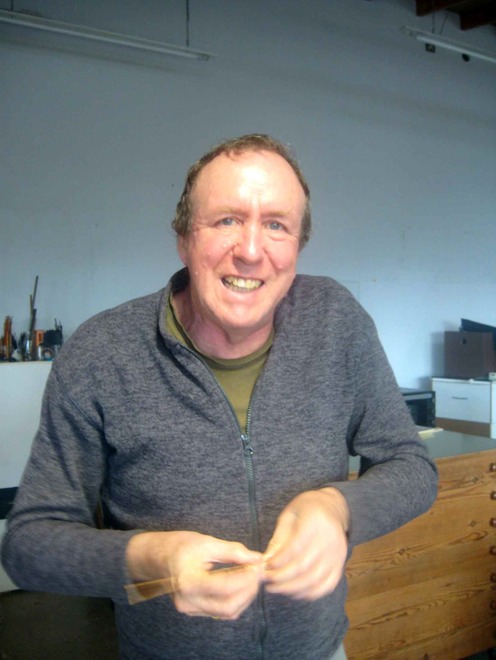
For two and a half weeks, the artist Ivan Pope (England, 1961) stayed at our electro-etching studio–residency. I had never met him before he reached out, expressing interest in visiting to explore the non-toxic etching processes we promote from Gran Canaria. I was struck by how quickly he decided to reserve a spot for that very year.
Ivan holds a BA degree in Fine Arts from Goldsmiths College, London (1990). Before his arrival, I looked into his career on his website and Wikipedia*, and discovered that he is not only a seasoned artist, but also a technologist —as described there— and a pioneer in the social use of the Internet since 1993, a determined executor of his forward-thinking ideas.
During our time together, through both daily life and the exchange of knowledge, we found many points of resonance in our views on life, art, and creation, as well as in our approach to "the global network of interconnected computers and the physical infrastructure that connects them," what we call the Internet. I first discovered the Internet in 1994 thanks to my friend Víctor Espino, and I have always publicly expressed my admiration for its possibilities. Without it, my work as an artist and promoter of electro-etching would have been impossible; I likely wouldn’t even be writing these lines on a website today.
Ivan mentioned that he works with a drawing machine, the AxiDraw, and wanted to use it to create drawings on his plates. I immediately asked him to bring it along — another opportunity to push the boundaries of electro-etching. And he did.
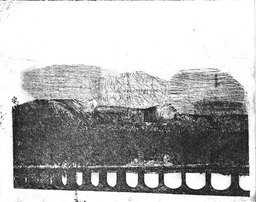
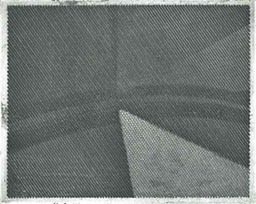
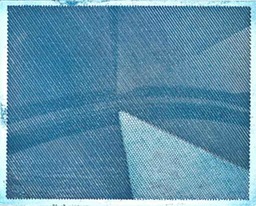
He showed me how the machine operates: using a computer and a digital image —photo, drawing, collage, etc.— which he transforms into patterns of lines or dots with two specialized programs, allowing the AxiDraw to interpret and draw on any surface with various tools. In this case, he used an etching pointy on a plate coated with varnish. The machine’s demand for an absolutely flat, level surface encouraged me to experiment with alternatives I had scarcely tried before. Ivan Pope was able to etch using a range of varnishes and electrolysis biting methods. We even discovered that some alcohol-based varnishes were particularly suitable and convenient for use with the AxiDraw.
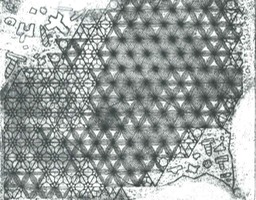
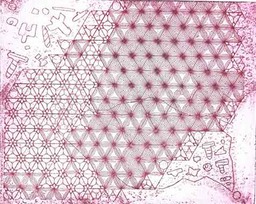
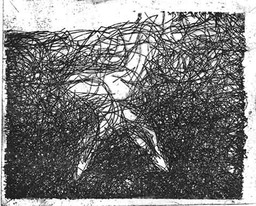
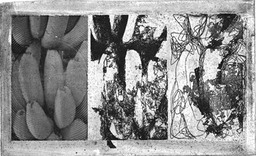
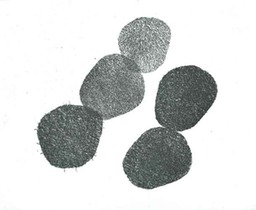
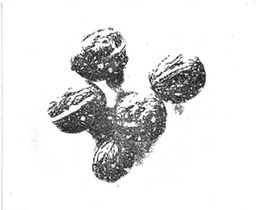
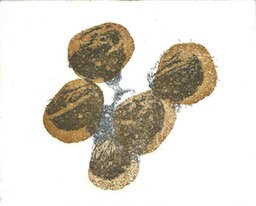
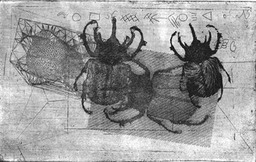
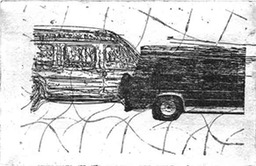
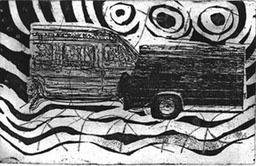
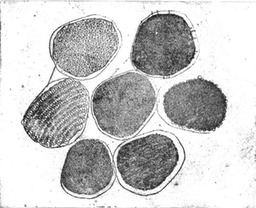
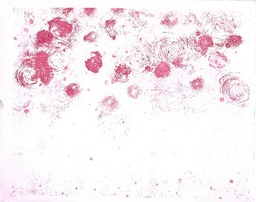
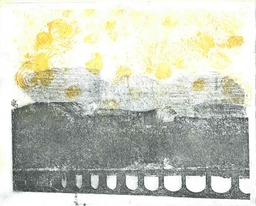
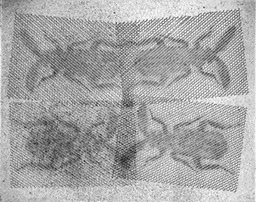
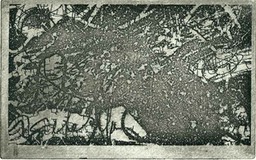
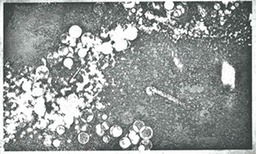
He even offered to create some images for the machine to draw and then print. I took the opportunity to push things a little further. We adapted two digital drawings I had made with another contemporary drawing tool: the iPad. On this page, alongside Ivan’s prints, you can see the two test prints I carried out. I have observed that the clarity and expressiveness of the result largely depend on the choice of pattern or the grid of lines and dots used when transferring the image onto the varnished plate. Even so, I find AxiDraw to be a very interesting resource for contemporary printmakers.
I trust that everything Ivan has learned in the workshop will prove useful for continuing his work with electrolysis. I also hope and wish that he continues making progress on the restoration of his house and that he will soon be able to set up his workshop there, in Roches (France), with the greatest success.
Health and good luck!
* I recomend taking a look at the information
Pictures from the workshop

Ivan Pope talks about his experience in the workshop-residency
Having moved last year from the UK to France with the intention of building an experimental print workshop, I found my first winter in my new home very cold. I decided I would take a learning break each winter in a warmer clime. Early the next year while browsing ResArtis for printmaking residencies I came across Alfonsos electro-etching studio.
I was immediately intrigued for a variety of reasons. I had already determined that I needed to find an alternative to traditional intaglio platemaking. I now live in an incredibly rural part of France and I didn’t relish trying to procure chemicals for the process. Additionally, and perhaps more importantly, I have long been fascinated by new processes and technologies and the idea of creating etching plates by electricity caught my immediate attention. I booked a two week stay immediately and then, as I was on something of a sabbatical from artmaking as I renovated my new house and studio, I didn’t think too much about it until I left for Gran Canaria.
My main intent for my residency was to learn all I could about the process of making plates with electricity and to gain some experience in doing so. I wasn’t really thinking I would produce much new work.
I had mentioned to Alfonso that I used a digital drawing machine for creating plates and wanted to experiment further with the process. He encouraged me to bring my AxiDraw machine with me. I didn’t need much encouragement as I was already planning to create a travelling kit with the A4 machine.
When I arrived, I was pleased to find a very comfortable studio accommodation and Alfonso’s large and elegantly kitted out studio. We started my stay with an overview of how the process worked and I was soon hands on with the process. I set up my drawing machine and introduced it to Alfonso. What I wasn’t expecting was how resolutely experimental the whole period would turn out to be. I had encountered a mind as restless and as interrogating as mine and we were soon exchanging ideas as I experimented with the line drawing capacity of my machine and Alfonso introduced a variety of grounds and etching approaches. I discovered I was staying with an alchemist as he mixed up new concoctions and we happily tested them on copper and zinc.
As I had never introduced any other printmaker to my drawing machine, I offered to generate plates for Alfonso and, with his usual experimental verve, we were soon trying to find a process that worked for his imagery.
My weeks passed in a blur of experiments and platemaking mixed in with trips into the dramatic interior. I came home with an inspired feeling that I was embarking on a new round of creativity and a newfound desire to spread the word both on electro-etching and the use of drawing machines for platemaking.
Ivan Pope's etching
Spanish Version